Lessons from a Coaching Session | Nutrition and stress levels – can food really help?
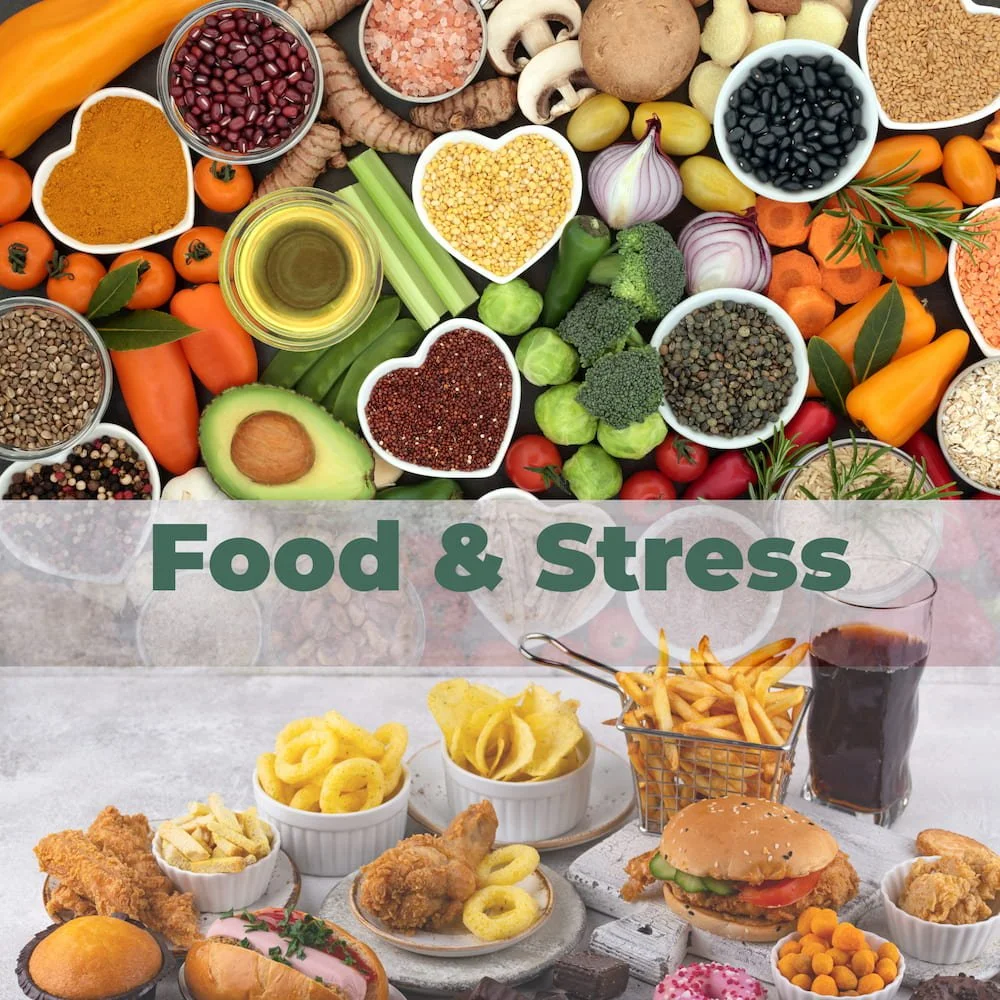
Let me start by saying I am not a qualified nutritionist, I just love food and over the years have spent a lot of time researching (and trying) different approaches to managing stress. Food has often come up as a key part in my resilience journey, knowing what is helping me and equally what is probably having a detrimental effect on me has enabled me to make more sensible choices and get those core basics right. This in turn has made it much easier to combat that feeling of overwhelm and chronic stress.
Food is considered a core basic to survival, to living and we often talk about healthy eating, or nutritious food which is great. What many people don’t realise though is that this is not just about physical health, mental health is also impacted by the food choices we make, indeed cravings are considered a mental ‘desire’ rather than a physical need.
When we are in a state of stress, our digestive system goes on pause so naturally our appetite changes. This is not normally a problem if we only stay in a stressed state for a short period of time. If however, you are constantly dipping in and out of this state. it will start to take its toll on your digestion, appetite and then of course the rest of your body. This can lead to a vicious cycle, as not providing the right level of nutrition for your body can cause the mind to actually trigger the feeling of stress and so it continues.
As a consequence of this, digestive problems are one of the most common symptoms of stress. From appetite changes to IBS (irritable bowel syndrome) and more.
The good news is, we can take positive and often simple action to help ourselves using diet and nutrition – here are just a few suggestions:
Careful with Carbs
When in a state of stress your body will naturally crave carbohydrates as they are your body's main source of energy. Be aware though, starchy, refined carbohydrates such as crisps, biscuits, white pasta etc will cause your blood sugars to spike (which will make you feel great initially) but then you crash (not so great). This is why we often feel we need more after a relatively short period of time and it can massively impact your energy levels.
Choosing wholegrain carbohydrates can help with this. Not only do they contribute to our production of serotonin (one of our happy hormones) which can help with mood and concentration, they also digest slower than refined carbohydrates so are less likely to give you that ‘spike and crash’ feeling.
Something warm
There’s something soothing about that feeling of warmth, and this applies to food too. Whether it’s a delicious warm soup or simply a cup of relaxing camomile tea – these can be both gentle and soothing on a digestive system that is perhaps struggling a bit.
5 a day
It goes without saying that we all benefit from making sure we eat enough fruit and veg. The guidance is at least 5 a day, but did you know that because fruit is a (natural) source of sugar – we still have to be cautious of it as it can cause those sugar spikes and crashes. Out of your 5 a day fruit should not be more than half of that ideally – and of course certain fruits and vegetables offer other advantages that can also help:
Banana’s: Whilst they do contain high levels of fructose (sugar) they also contain dopamine (happy mood boosting hormone), magnesium, potassium and vitamin B. Magnesium deficiency is commonly associated with anxiety and depression and also affects the ability to sleep. Potassium is great at reducing blood pressure, and vitamin B helps the nervous system function at its best therefore reducing the risk of fatigue.
Citrus fruits: Are excellent sources of vitamin C which helps boost your immune system (another system negatively impacted by stress)
Avocado: Packed with ‘healthy fats’ (yes there is such a thing), vitamins B & C, potassium, and fibre, all the things you need to help combat the negative effects of stress.
Leafy greens: Let’s be honest, these are widely recognised as being a super food. Spinach, Kale, Cabbage etc all amazing sources of magnesium & folate – both great at helpful in the production of happy hormones and managing cortisol levels.
Little & often
When your digestion is not working at its best, we tend to not eat at all – and then feel so hungry that we eat too much (often of the wrong thing). A great way to combat this is to eat little and often. Not only does that make it easier for your digestive system to cope, but also helps reduce the ‘spikes and crashes’ we spoke about earlier: Ideally, eating something every 3-4 hours works best. Examples of snacks between smaller meals would be:
Nuts: A small handful of nuts contain an excellent supply of slow releasing energy… which can help stave off those unhealthy ‘stress’ cravings whilst also supplying you with essential B vitamins.
Dark Chocolate: Mentally, chocolate is seen as a treat, an instant pick-me-up so just being allowed to have a square or two can help alleviate those stressful feelings. Add in the fact that dark chocolate is rich in antioxidants – which can also help lower stress hormones then you are onto a winner with this snack - obviously in small amounts.
Fruit & veg: Don’t think you have to wait for a meal to eat your 5 a day… raw vegetables are particularly great as an in-between meals snack.
Hydration is key
Our entire body needs water to function properly, including the brain. If you’re dehydrated, your body isn’t running well - and that can lead to stress.
Research has shown that being just half a litre dehydrated can increase your stress hormone levels so make sure you always have a drink of water to hand. If you don’t like water on its own you can add fresh fruit/cucumber & mint to taste or of course cordials (ideally sugar free ones). Ideally you should be aiming for around 2 litres a day – more if you are exercising a lot and when it's warm.
Feeling overwhelmed by stress?
If stress is affecting you or your team, you don't have to face it alone. The Stress Specialist provides practical workshops, one-to-one coaching and workplace wellbeing programmes that help individuals and organisations build resilience, reduce stress and thrive.
Get in touch today to find out how we can support you or your organisation.